
Visibility That Extends Property Use
Landscape Lighting Systems in Muncy for properties requiring improved nighttime safety, architectural emphasis, and extended outdoor activity hours
Adequate outdoor lighting allows you to use walkways, patios, and outdoor living areas after dark without relying on porch lights or handheld flashlights. StoneWorks Landscape & Outdoor Supply designs and installs energy-efficient LED landscape lighting across Muncy that highlights architectural features, illuminates pathways, and increases visibility around property perimeters. These systems reduce trip hazards on uneven surfaces, make entry points visible from a distance, and draw attention to plantings or hardscape elements that disappear completely once natural light fades.
The installation positions weatherproof fixtures at ground level, mid-height on structures, or elevated on posts to direct light where it's needed without creating glare that blinds rather than illuminates. LED technology produces consistent output while drawing minimal electrical current, and smart control options allow scheduling or remote operation from mobile devices. Custom lighting design accounts for existing landscape features, foot traffic patterns, and which areas require functional visibility versus decorative emphasis.
Request an on-site consultation to map out fixture placement based on your property's layout and how you use outdoor spaces after sunset.
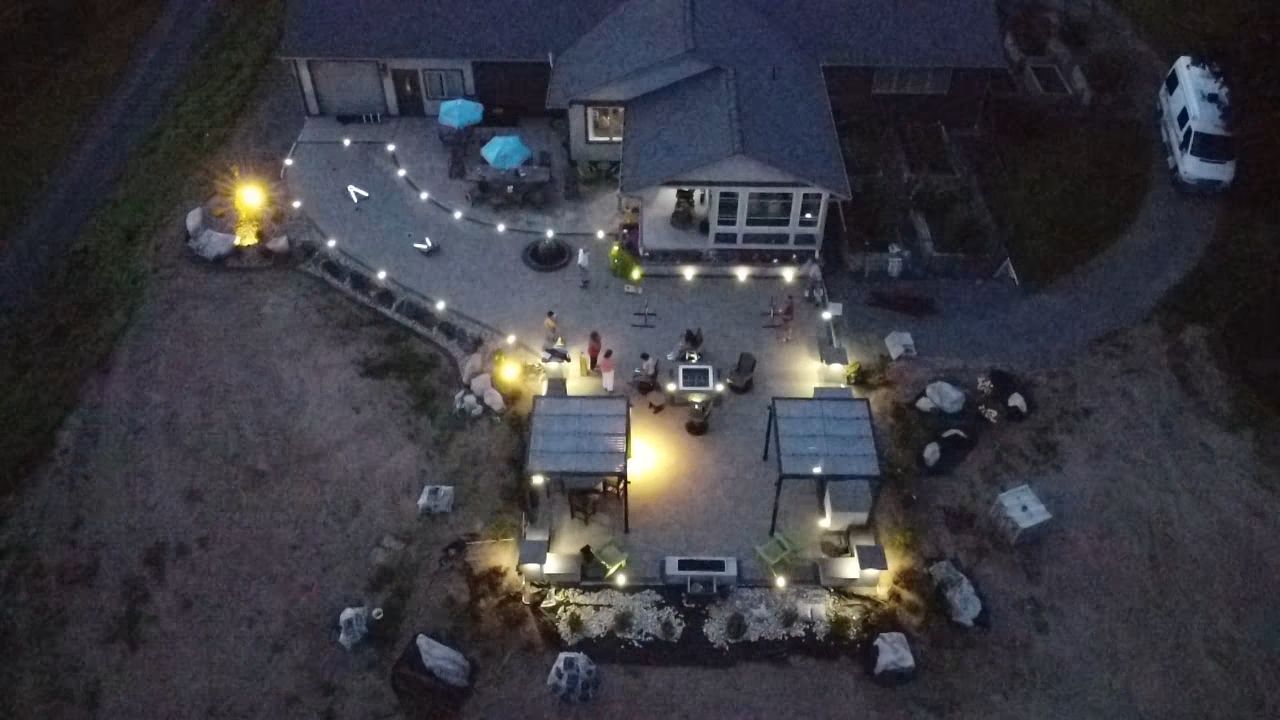
What Changes After Systems Go Live
Installation involves running low-voltage wiring from transformers to individual fixture locations, mounting lights at angles that direct output toward intended targets, and programming control systems if automation features are included. Path lights install along walkways at intervals that eliminate dark gaps between illuminated zones, uplighting positions fixtures at the base of trees or architectural elements to cast light upward across surfaces, and downlighting mounts on elevated structures to simulate natural overhead light patterns. Transformers step standard household current down to twelve or twenty-four volts, which reduces shock risk and allows simpler wiring runs that don't require conduit in most residential applications.
Once active, you notice that pathways become navigable without hesitation after dark, steps and grade changes appear clearly defined rather than blending into shadows, and architectural details that disappear at night now remain visible through directional lighting. Outdoor gatherings extend later into evening hours because functional light replaces the need to move activities indoors when natural light fails. Trees and plantings gain dimensional appearance from uplighting that creates depth through shadow contrast, and perimeter areas that previously stayed dark now show movement or activity if it occurs.
The service includes transformer installation, wiring runs, fixture mounting, and system programming for automated or smart-controlled setups, but does not cover electrical circuit installation if no outdoor power source exists at the transformer location. Fixtures require periodic cleaning to remove dirt and debris that accumulates on lenses and reduces output intensity over time. LED bulbs last significantly longer than incandescent or halogen alternatives and maintain consistent color temperature throughout their operational life, which eliminates frequent replacement cycles.
What Property Owners Usually Ask
Homeowners in Muncy typically want to understand energy consumption, control options, and fixture durability before proceeding with lighting installations.
How much do LED landscape lighting systems increase electrical costs?
LED fixtures draw a fraction of the power used by older incandescent or halogen systems, typically adding only a few dollars per month to utility bills even when operated nightly for several hours.
What control and automation options are available?
Systems can operate on timers that turn lights on at sunset and off at a set hour, use photocell sensors that respond to ambient light levels, or connect to smart home platforms for remote scheduling and manual control via smartphone apps.
Why use low-voltage systems instead of standard household current?
Low-voltage wiring reduces installation complexity and safety risks, allows homeowners to add or relocate fixtures without hiring electricians, and meets code requirements without extensive permitting in most residential applications.
When should I light pathways versus architectural features?
Pathways require functional illumination to prevent trips and falls, while architectural lighting serves aesthetic purposes by emphasizing building features, trees, or landscape elements that contribute to property appearance.
StoneWorks Landscape & Outdoor Supply installs lighting systems that improve safety and extend functional use of outdoor spaces well past sunset. Schedule a property evaluation to identify which areas would benefit most from additional illumination and determine fixture placement that meets both functional and aesthetic goals.